Pros And Cons Of Being A Dental Hygienist
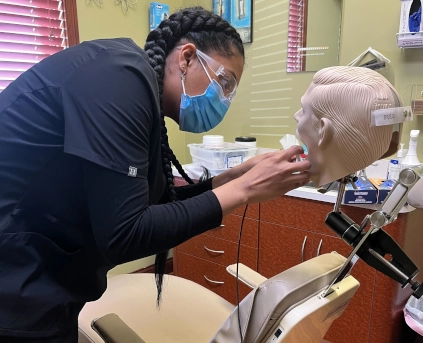
One of the most significant advantages of being a dental hygienist is the opportunity to build lasting relationships with patients. As you work closely with individuals during their routine check-ups, you become an integral part of their oral health journey.
This role allows you to educate patients about proper dental hygiene practices, enabling them to maintain their oral health. Many patients appreciate the personalized care and attention, leading to meaningful connections.
Job Stability in a Growing Field
The dental hygiene profession is experiencing consistent growth, with an increasing demand for dental services. As more people become aware of the importance of oral health, the need for skilled dental hygienists continues to rise. This growth translates into job stability and a promising career outlook. Moreover, as dental practices expand, opportunities for advancement into supervisory roles or specialized fields (such as pediatric or periodontal hygiene) arise, further enhancing job security.
Competitive Salary and Benefits
Another attractive aspect of being a dental hygienist is the competitive salary. According to recent data, dental hygienists earn a respectable income, often with additional benefits such as health insurance, retirement plans, and paid time off. Many hygienists also enjoy flexible work hours, allowing for a better work-life balance. This financial stability can be especially appealing for those seeking a reliable income while making a positive impact on patients’ lives.
The Physical Demands of the Job
Despite its many advantages, being a dental hygienist comes with its challenges. The job can be physically demanding, requiring long hours of standing and repetitive motions such as scaling and polishing teeth. This can lead to discomfort or strain over time, particularly in the back, neck, and wrists. Prospective hygienists should be aware of these physical demands and consider whether they can manage the associated stress on their bodies.
Dealing with Varied Patient Attitudes
As a dental hygienist, you will encounter a diverse range of patients, some of whom may be anxious or fearful about dental visits. This aspect of the job can be challenging, as you must develop strategies to put patients at ease and encourage cooperation. While this challenge can enhance your communication and interpersonal skills, it may also lead to emotional fatigue in certain cases.
The Balance Between Autonomy and Teamwork
Dental hygienists often work independently during patient care, which can be a rewarding aspect of the job. However, it’s essential to remember that you are still part of a larger dental team. This balance between autonomy and teamwork can be both a pro and a con. While you may appreciate the freedom to manage your patient interactions, you must also collaborate closely with dentists and other team members to provide comprehensive care.
FAQs
What are the typical work hours for a dental hygienist?
Dental hygienists often work full-time, but many positions offer flexible hours, including part-time options and weekends.
Is there a demand for dental hygienists?
Yes, the demand for dental hygienists is projected to grow significantly as more individuals prioritize oral health, ensuring job stability in the field.
What skills are necessary for success as a dental hygienist?
Successful dental hygienists possess strong communication skills, attention to detail, compassion, and the ability to work well in a team environment.
Can dental hygienists specialize in certain areas?
Absolutely! Dental hygienists can specialize in areas like pediatric dentistry, periodontics, or even public health, opening new opportunities for career advancement.
You're 12 weeks from the dental assistant career you deserve.